Introduction
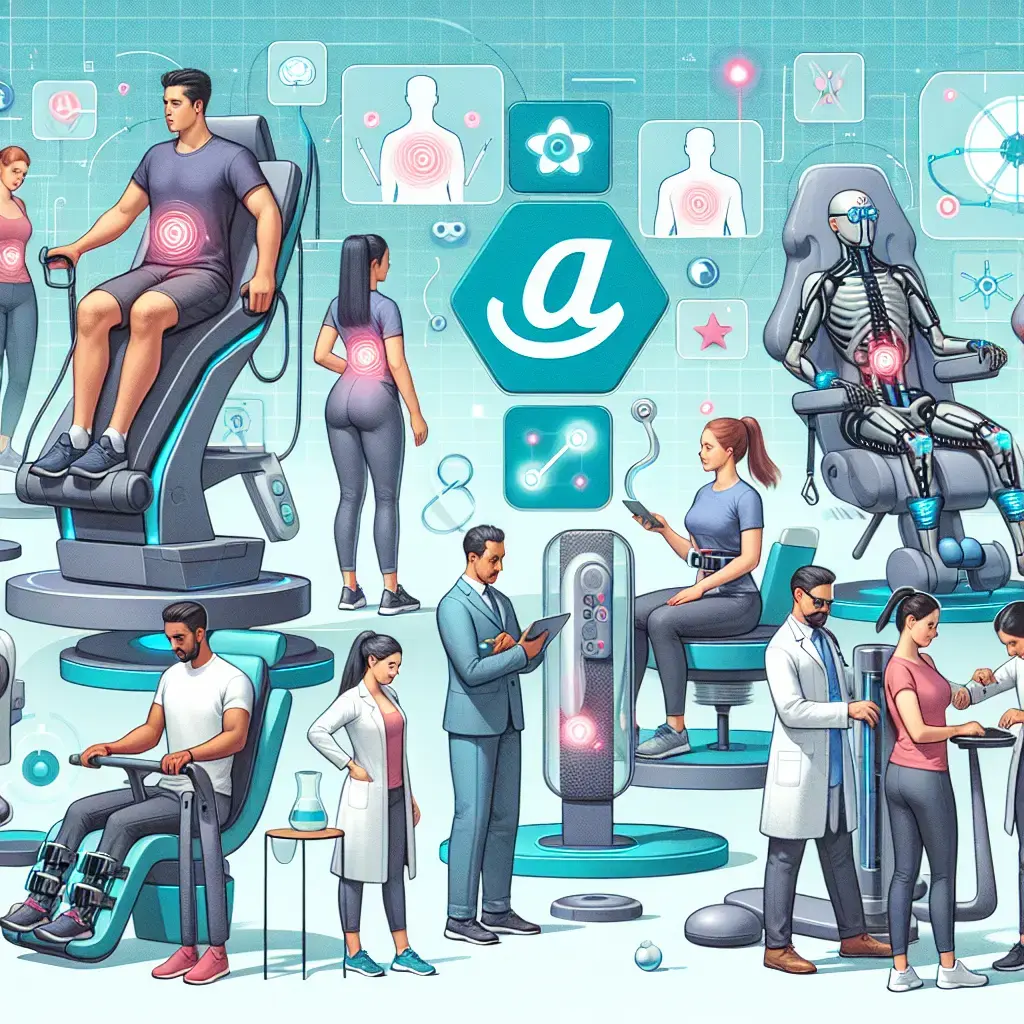
In today's fast-paced world, the demand for innovative back pain relief has never been greater. Millions of individuals worldwide grapple with chronic discomfort, making the search for effective solutions paramount. Enter the realm of advanced back pain technologies, where cutting-edge solutions meet modern treatments to offer hope and healing. Gone are the days when traditional methods were the only recourse; now, high-tech options are revolutionizing how we approach this common ailment.
From new technologies for back pain to sophisticated relief devices, the landscape of pain management is rapidly evolving. Non-invasive technology is paving the way for safer and more effective interventions, while smart solutions provide personalized care tailored to individual needs. These technology-driven methods not only enhance comfort but also empower patients to take control of their health.
Innovations in back pain management are continually emerging, offering digital solutions that are both practical and accessible. Wearable tech for back pain is at the forefront of this revolution, providing real-time feedback and support for users on the go. Meanwhile, AI in treatment is transforming diagnostic and therapeutic processes, ensuring precision and efficiency. Robotic therapy represents the pinnacle of modern medicine, delivering targeted interventions with unparalleled accuracy.
As these advancements unfold, they promise to change the lives of countless individuals who suffer from persistent back pain. With technology seamlessly integrating into our daily routines, the future holds exciting possibilities for an improved quality of life. This exploration invites you to discover how innovation is reshaping pain management and what it means for those seeking relief. Let us delve deeper into the myriad ways these technologies are revolutionizing care and offering new hope to those in need.
In recent years, the field of back pain management has witnessed a remarkable transformation. With millions seeking effective relief, advanced technologies have become a beacon of hope. This section delves into the cutting-edge solutions revolutionizing treatments and providing new possibilities for those affected by this common ailment.
The Rise of High-Tech Back Pain Relief
The evolution of high-tech back pain relief options has changed the landscape of pain management. These advancements represent a shift towards empowering patients to take control of their health. One significant development is the emergence of new technologies, providing non-invasive alternatives to traditional treatments.
Wearable tech for back pain, such as posture-correcting devices and muscle-stimulating wearables, offers users real-time feedback and support. Designed to be worn throughout the day, these devices enable continuous monitoring and adjustment to alleviate discomfort. A study published in the Journal of Physical Therapy Science indicates these wearables show promise in reducing pain and improving posture in chronic back issue patients view study.
Smart Back Pain Solutions: Personalized Care
Smart back pain solutions are another key area of innovation. These methods utilize data and analytics to tailor treatments to individual needs. AI in treatment is a critical component here, offering precision in both diagnosis and therapy. By analyzing patterns and predicting outcomes, AI helps clinicians create personalized treatment plans that enhance efficacy.
A notable example is AI-driven diagnostic tools that evaluate MRI scans with high accuracy, identifying underlying issues faster than traditional methods learn more. The integration of AI with digital solutions allows for a seamless experience, bridging the gap between technology and patient care.
Non-Invasive Back Pain Technology: A Safer Alternative
Non-invasive technology is paving the way for safer interventions. Techniques like transcutaneous electrical nerve stimulation (TENS) and ultrasound therapy offer relief without the risks associated with surgery or medication. These methods benefit athletes, including cyclists who often experience back pain due to posture and repetitive motion explore further.
Studies also show robotic therapy delivers targeted interventions with unparalleled accuracy. Robotic systems allow precise adjustments, catering to specific patient needs. This technology proves effective in rehabilitation settings, enhancing recovery times and outcomes read more.
Back Pain Relief Devices: Bridging Traditional and Modern Approaches
Back pain relief devices bridge the gap between traditional methods and modern innovations. Products like lumbar supports and traction devices remain popular due to their simplicity and effectiveness. Their integration with smart technologies amplifies their impact.
For example, smart lumbar supports equipped with sensors alert users when sitting incorrectly, prompting corrective action. These devices are crucial for individuals with sedentary lifestyles or those working from home discover more. By incorporating these devices into daily routines, users can proactively manage their back health.
Case Study: AI-Powered Pain Management Platforms
A compelling case study involves an AI-powered platform developed by a tech startup aimed at revolutionizing chronic pain management. This platform uses machine learning algorithms to analyze patient data, providing insights into triggers and effective interventions. By tracking symptoms and correlating them with lifestyle factors, users can make informed decisions about their activities and treatments dive deeper.
Such platforms offer personalized care and engage users through interactive features like virtual support communities and progress tracking. This holistic approach addresses both physical and emotional aspects of chronic pain, fostering a sense of community among users.
Future Directions: What Lies Ahead?
Looking towards the future, the potential for innovative back pain relief technologies is boundless. With continuous advancements in AI, robotics, and wearable technology, even more refined solutions that cater to diverse needs are anticipated.
One exciting prospect is developing virtual reality (VR) applications for pain management. VR has shown promise in distraction therapy, where immersive environments help reduce perceived pain levels during treatment explore VR's impact. As this technology evolves, its applications in back pain management could redefine patient experiences.
Additionally, ongoing research into biofeedback mechanisms holds potential for groundbreaking interventions. Training patients to control physiological responses through real-time feedback may offer long-term relief from chronic pain without medication learn about biofeedback.
Conclusion
In conclusion, innovative technologies for back pain relief are reshaping how we approach one of today's most prevalent health challenges. From wearable tech and AI-driven solutions to non-invasive therapies and robotic interventions, these advancements offer hope and healing to countless individuals worldwide. As technology continues integrating seamlessly into our lives, the future holds exciting possibilities for enhanced quality of life for those suffering from persistent back pain.
Key highlights include:
- High-Tech Wearables: Devices like posture-correcting wearables and muscle stimulators provide real-time feedback, aiding in posture improvement and pain reduction.
- Smart Solutions: AI-driven diagnostic tools and personalized care platforms enable precise diagnosis and tailored treatment plans, enhancing patient outcomes.
- Non-Invasive Technologies: Techniques such as TENS and ultrasound therapy offer relief without surgical risks, ideal for athletes and those seeking safe interventions.
- Innovative Devices: Smart lumbar supports and traction devices combine traditional effectiveness with modern technology, helping users maintain good posture throughout their daily activities.
As we look to the future, the potential of back pain relief technologies is vast. From promising VR use for pain management to groundbreaking biofeedback mechanisms, integrating technology into healthcare continues opening new doors. These advancements encourage a holistic approach to managing chronic pain, addressing both physical and emotional needs.
Reflect on how these technologies might transform your own experience with back pain management. Have you tried any innovative solutions? What has your experience been? Share your thoughts and insights in the comments below. Your story could be the inspiration someone else needs on their journey to back pain relief.
Author:
Jessica Langley